
Coopavam
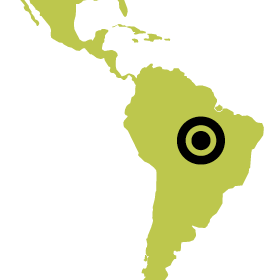
Coopavam is a cooperative founded in 2008 and located in the Mato Grosso state of Brazil. Since Brazil nuts collected in protected forest reserves are one of the most sustainable nuts, we have been paying gebana premiums to the Coopavam collectors since 2022.
PRODUCTS: Brazil nuts
LOCATION: Juruena, Brazil
COLLABORATION: since 2020
EMPLOYEES: 25
FARMERS WITH DIRECT CONTACT: 369
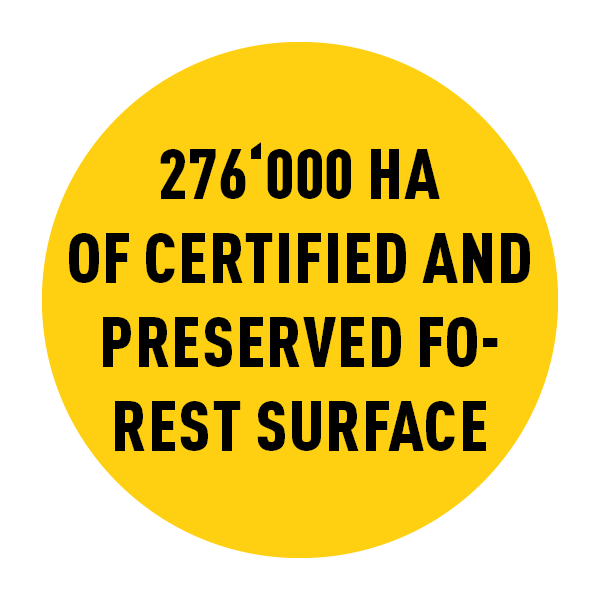
COLLECTING AREA: 276'000 ha
PREMIUMS 2025: EUR 23'901 (gebana model premium)
New prospects for the local population
The cooperative counts 20 members and works with hundreds of gatherers who collect the nuts from the rainforest floor. Most of them are from indigenous tribes whose home has always been the giant rainforest. Coopavam’s commitment enables them to have a stable income and future perspectives.


Long-term collaboration with gebana
As a result of partnering with gebana in 2020, the turnover of Coopavam increased with gebana becoming one of the most important buyers. Firmly convinced by the cooperative’s work, we share our B2C revenues from their nuts directly with the gatherers.
Nut cracking at the edge of the forest
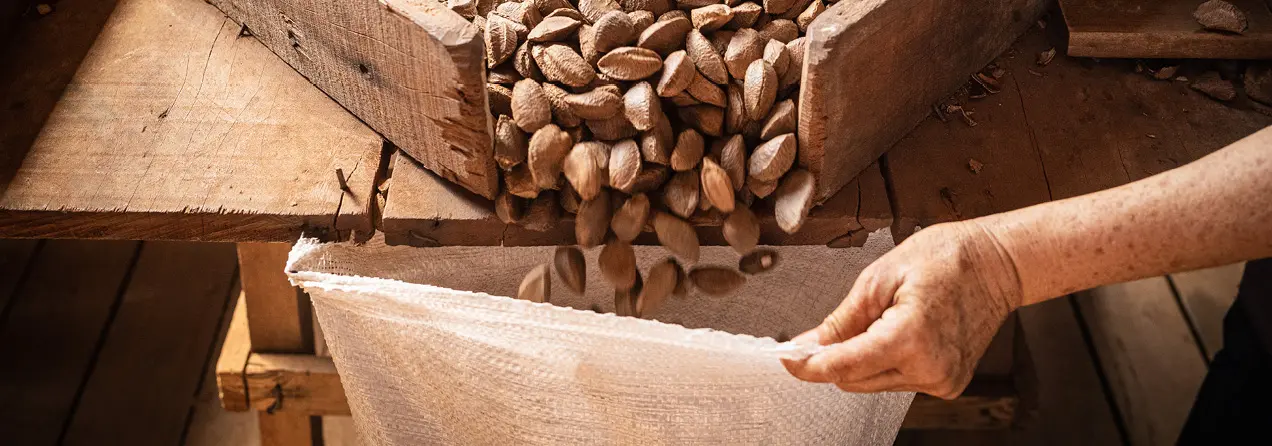
Once the nuts are transported from the depths of the rainforest by boat, they are cracked and dried in Coopavam’s processing facility. Most of the employees are women, who live in the surrounding settlement of Vale do Amanhecer or the nearby town of Juruena. The salary they earn is more than three times the Brazilian minimum wage of EUR 0.85 per hour.

Preventing deforestation
Brazil’s forests are threatened by ruthless farmers and big corporations looking for surfaces to expand soy cultivation and to export timber. The harvesting of high-quality Brazil nuts requires an intact ecosystem to provide good nuts. Coopavam therefore contributes directly to forest protection through its activities. Note that Brazil nut trees are among the most important carbon retainers in the forest because of their very high CO2 absorption capacity.
Brazil nuts
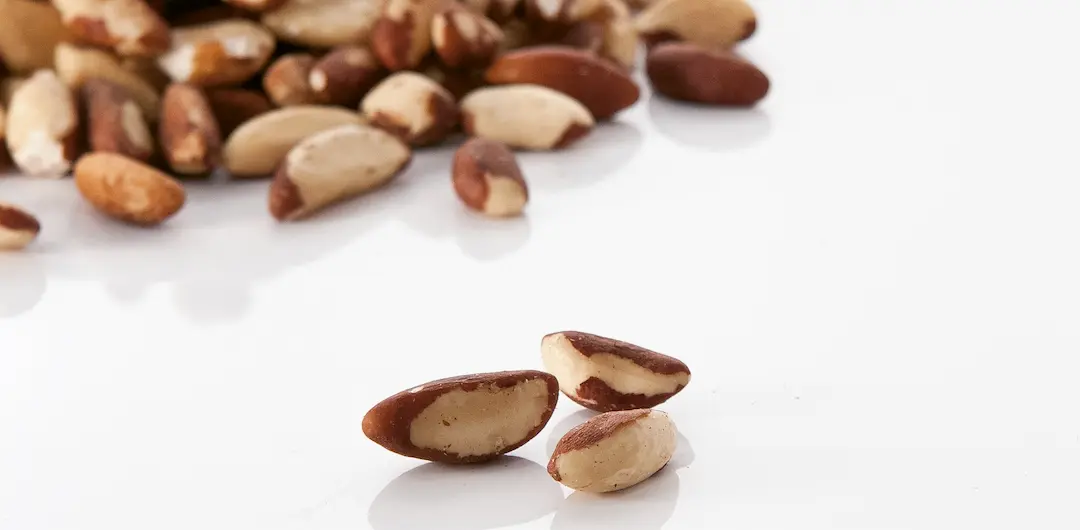
The Brazil nut is a non-cultivated crop exclusively found in the rainforest. We source the nuts from an area of more than 15,000 square kilometres in the Juruena Region in Mato Grosso, Brazil.